November 27, 2020
Scott Doughman
 So easily we forget this. Ideal intake over time can add 3 years to lifespan and quality of life. Why DHA is making a difference for you is because it acts like your body's omega-3 form of money. So easily we forget this. Ideal intake over time can add 3 years to lifespan and quality of life. Why DHA is making a difference for you is because it acts like your body's omega-3 form of money.
It matters which omega-3 you choose, because DHA intake levels make the ultimate big gains differences in your physical health and longevity. DHA is 10-fold more abundant in you than all other omega-3s combined, plus 20-fold and 30-fold more abundant in your eyes and nervous system.
The more DHA you save up in your system, the better your health returns. Based on longevity studies, DHA gives your body more usable DPA and EPA omega-3s and gives a "quarterly dividend" of consistently lower heart disease risk, the number one cause of death at over 650,000 per year in the USA.
Professionals work daily with a variety of stresses, are more indoors, and are increasingly in front of a screen, requiring new tech for home and office. The heart, eyes and brain need foods that support these trends.
Beyond fruits and nuts, vegetables and Vitamin D, the winter is a time to deposit DHA omega-3 in all the cells and tissues. This DHA deposit pays out by supporting mitochondrial functions, synaptic plasticity, and sleep rhythms.
The popular use of DHA satisfies all the same benefits you can get from eating the oily fish twice a week or taking fish oil pills. But algae omega-3 DHA has proven equal or better across all types of people and is in a better position to help over time. Additional dietary EPA is not required because sufficient amounts of this is made from DHA by the liver every single day, in just the right amounts while DHA levels are maintained. Therefore, it is recommended to get at least 700mg to 1400mg DHA per day for most outcomes, and up to 2000mg DHA, which is about 1 teaspoon of pure oil.
November 9, 2018
Scott Doughman
 Source-Omega, the makers of SOURCE OIL® since 2012, forwarded they still make the freshest, most stable, best tasting, unblended algae omega-3 oil on the market. The product was perfected 6 years ago, they say, and it remains perfected because it is water extracted, winterized and a single ingredient oil.
Previous company statements in press, since 2012, have been forwarded by Source-Omega and its Chief Scientist. These statements include comments that suggest algae oil is successful as an unmodified, natural food for nutrition, that algae omega-3 can substitute for medical fish oils, that retro-conversion of DHA is more efficient than taking high EPA levels since the body own ratio is about 80% DHA and only 5% EPA, and that their oil is made in controlled tanks and is untouched by seawater.
Dr Scott Doughman, the founder and architect of Source-Omega, says "Our Chromista oil (schizochytrium sp.) is uniquely water extracted to create an improved quality standard. We consistently have the lowest Total Oxidation number in an algae oil ever recorded. Our latest 3 rd party certificate is available to view."
(See file here file:///C:/Users/sourceo/Downloads/COA%202018.pdf)
The lowest oxidation score means the taste and freshness are unmatched, Dr Doughman suggested. He further claimed that adding additional antioxidants post-extraction is "totally" unnecessary or can even "backfire" when in excess. He says this often turns into a formulation race to recover errors that get propagated in the name of so-called improvements. He suggested this is because each ingredient mix has different unknowns, contaminants and drawbacks, which can spiral into formulation fixes and lower quality and off tastes.
"Although new algae oil suppliers may enter the algae oil market, it appears superior taste and quality will remain exclusive to SOURCE OIL, the only 100% algae oil product on the market. My 10 years of experience with algae oil and my training as a NIH omega-3 lipid biochemist ensures that our standard is our promise. Source-Omega is advising not to formulate with pigments and fillers because it will lower the quality. Pure organic flavor oils such as lemon, orange and rosemary oils that are rich in terpenes have proven the best flavoring options."
Tagged as Chromista, DHA Algae Oil, EPA Fish Oil, Fresh Taste, Vegan Omega-3, Water Extracted.
November 9, 2018
Scott Doughman
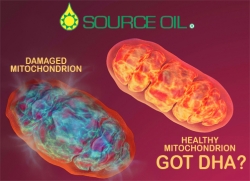
Source-Omega ( www.source-omega.com) today asserts the newest DHA omega-3 structure-function claim filed with the FDA to demonstrate how their exclusive product, SOURCE OIL® - Water Extracted Chromista Oil - best supports mitochondrial health and maintenance. SOURCE OIL is the first and only 50% DHA algae oil that is also the first and only water extracted algae oil offering the highest quality, purity and potency.
Based on emerging and qualified peer-reviewed research, independent study demonstrates that DHA is the only omega-3 used to make mitochondrial cardiolipin, but only when sufficient DHA intake levels are maintained over time.
Source-Omega's own publication reviews support 1200 mg DHA per day for 90 days as an average ideal intake level. Accretion is the act of building-up stores or reserves in the form of higher DHA levels over time, yet accretion is naturally limited to an average ideal level of about 8% total omega-3 membrane composition, thus posing no risk of overdose or side effects. Most people persist at about 4% total omega-3 membrane levels and have very little, if any, DHA in their mitochondrial cardiolipin.
Dr Scott Doughman, PhD, the Founder and Chief Scientific Officer of Source-Omega said, "The summary of 16 clinical studies using algae DHA proves tissue accretion therapy is effective and supports longevity. By using an average 1200mg DHA per day, within the range of 700 mg DHA to 1500 mg DHA per day, a person will double total omega-3s in their red blood cells in 90 days and in all cells within 12 months. But now we observe studies with similar intake levels that support DHA accretion in mitochondrial cardiolipin within the same time periods."
What is mitochondrial cardiolipin? Cardiolipin is a lipid complex that can only be made from certain fatty acids. Cardiolipin is a novel phospholipid made only in the mitochondria, which are the sole power factories for our body and cells.
Cardiolipin functions as a proton trap giving ATP synthase the juice needed to enhance electron transfer and reduce electron leakage. Cardiolipin also participates in a structural scaffold essential for the distinctive shape of mitochondrial cristae.
DHA is the only omega-3 that can be used to make this novel lipid, but only when DHA is consistently available in the diet at high enough levels. DHA is thought to also have electroconductive properties adding to its many uses in the human body, brain, eyes and heart.
"We claim SOURCE OIL DHA uses for providing the definitive omega-3 used by the mitochondria to form cardiolipin," said Dr Doughman
About Structure-Function Claims
What is a permitted structure-function statement? The FDA (www.fda.gov) states that "Dietary supplement labels or labeling may bear statements that describe the role of a nutrient or dietary ingredient intended to affect the structure or function in humans or that characterize the documented mechanism by which a nutrient or dietary ingredient acts to maintain such structure or function, provided that such statements are not disease claims."
Claims and general substantiations for the DHA brand SOURCE OIL are that it is an ingredient used in consumer finished products. All labels and labeling associated with SOURCE OIL contains the following statement: This statement has not been evaluated by the Food and Drug Administration. This product is not intended to diagnose, treat, cure, or prevent any disease.
The Source-Omega company has previously defined uses for DHA-rich algae oil in the the structure-function and formation of very low-density lipoproteins (VLDL) in the liver as the first act of DHA in the body, before it is deposited into cell membranes phospholipids and the mitochondria.
Their earlier work on VLDL biology demonstrated how precious DHA is in the liver, describing how the liver uses DHA selectively to move dietary fat and to transport it efficiently. The mechanisms described imply that DHA functions directly in maintaining normal plasma triglycerides levels and normal fatty liver levels.
About Source-Omega
Source-Omega, LLC is the leading Chromista algae oil innovations company since 2007 serving the public health using a unique water extraction process, lowering prices and improving quality. Preformed DHA has also been defined in Source-Omega's publications to be safe and effective for adults at 1200 mg DHA/day. The company defined 1200 mg DHA/day as a best practice for adults and showed how the liver can rapidly make EPA from DHA in just the right amounts (Doughman et al., 2013).
Tagged as DHA Algae Oil, Mitochondria, Omega-3 Benefits, Vegan Omega-3.
November 9, 2018
Scott Doughman
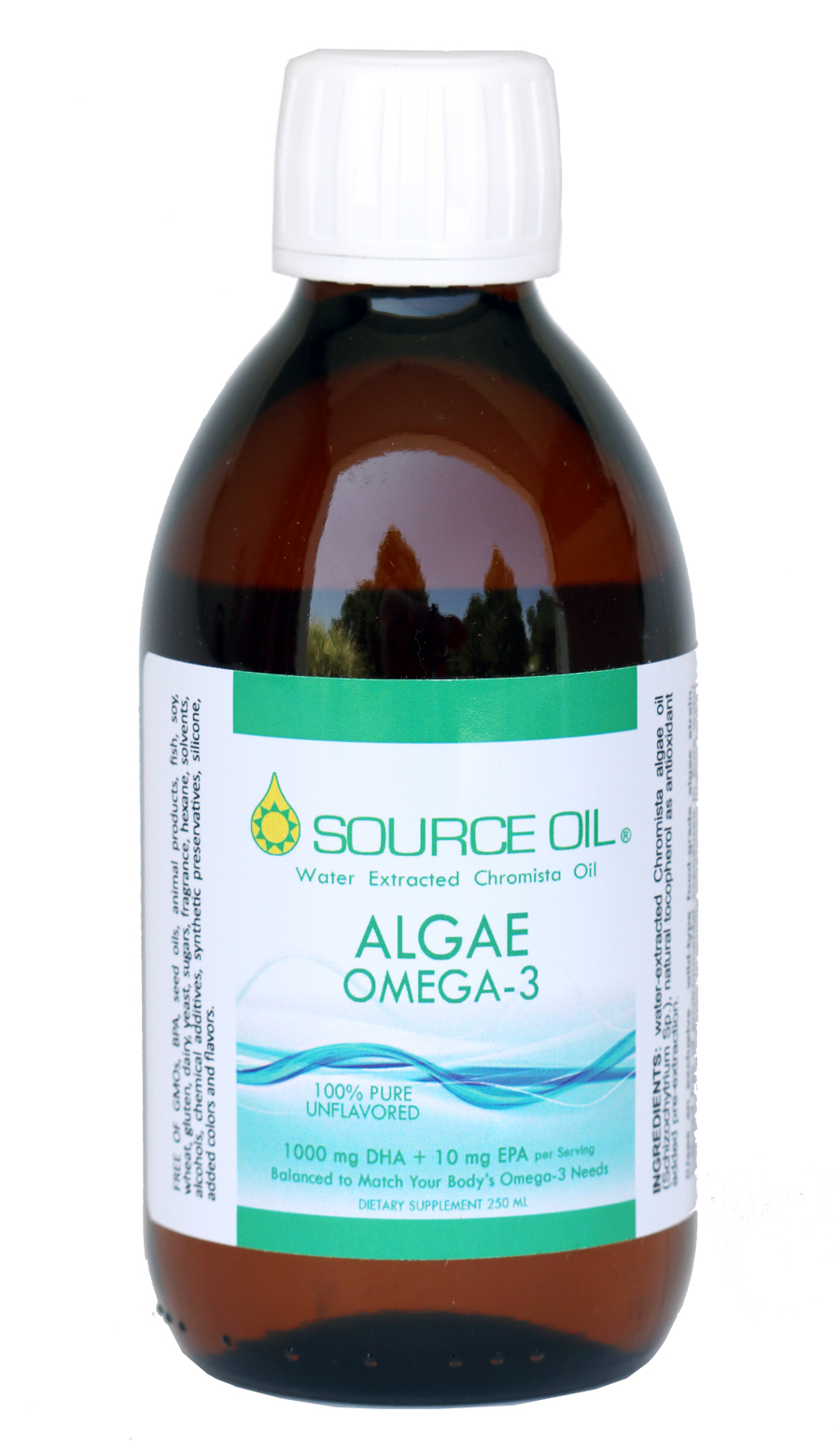 Source-Omega discloses astounding commercial R&D results with pure Chromista water extracted algae oil. With first and only claims such as the first water extracted algae oil, the first single ingredient 100% algae oil (Schizochytrium sp.), the first 50% DHA oil standard, Source-Omega scientists have developed the first Chromista oil DHA (docosahexaenoic acid) plus CBD (cannabidiol) product, launched in California in early March 2018.
"Demand driven R&D proved to us that this oil was the best emulsifier of CBD oil preparations, from raw CBD oil to pure CBD isolate, achieving a 33% CBD concentrate at room temperature and a 50% CBD concentrate at only 45 degrees Celcius as stable, clear, fully emulsified solutions. The length and unsaturation of the lipids in our oil may be the most powerful natural oil emulsifier of CBD powders and pastes," said Scott Doughman, PhD, Chief Scientific Officer, CEO and Founder of Source-Omega, LLC.
Doughman said recent events foretell of the "the word getting out" and "boom demand" for the Chromista oil DHA. He disclosed 3rd party product developers are reaching the same astonishing conclusions about CBD emulsification with the DHA oil, stating that solid CBD decarboxylated oil concentrates in 1 gram "chunks" will dissolve, i.e. fully emulsify, into the Chromista oil simply by sitting overnight without heating, sonicating or mixing.
The premium DHA oil contains an average chain-length of 20 carbons, whereas olive oil's average chain-length is about 18 carbons, coconut oil's average is about 16 carbons and medium chain triglyceride (MCT) oil's average is about 10 carbons.
DHA in fish oil and krill oil comes from algae oil in the food chain. DHA is commonly used in food supplements because DHA is the most abundant omega-3 in the human body, brain and organs by ten-fold, with a maximum ratio of 97% DHA in the brain.
Recent interest in DHA has focused on two new endogenous wellness pathways; a) DHA-cardiolipin structure and function in the mitochondria, as DHA is the only omega-3 used by mitochondrial cardiolipin and only when DHA is sufficiently and consistently present in the diet, and b) DHA supplementation also appears to increase Synaptamide production in the brain.
In neurons, DHA can be directly converted into Synaptamide (Docosahexaenoylethanolamide), a structural analog of the endogenous cannabinoid receptor ligand anandamide, made from Arachidonic Acid. Synaptamide is synthesized from DHA in the brain, although it binds weakly to cannabinoid receptors, it independently stimulates growth, synaptogenesis and synaptic activity in developing hippocampal neurons at nano-molar concentrations. The term Synaptamide was coined to describe its activity and molecular similarity to anandamide.
Tagged as Algae Omega-3, Cannabidiol, CBD, Emulsification, Vegetarian Omega-3.
February 26, 2013
Scott Doughman
Is Algae Oil a Sustainable Food or Fuel?
[by Scott Doughman, PhD, et al., All Copyrights Reserved]
ABSTRACT FOR CONFERENCE TALK:
With respect to algae oils, we consider the word "sustainability" in current food and fuel models. Overviews discussed are intended as general contexts for 1) the planet, for 2) finished oils, and for 3) growing new innovations. Part of the discussion considers trophic (nutrient) classifications. Heterotrophic algae systems may be defined as carbon-carbon bond consumers. Autotrophic algae systems may be defined as carbon-carbon bond producers, but are also consumers of their self-made carbon-carbon bonds to produce oil. All other organisms are also carbon consumers. Efficiency models for algae oils are also based on systems theory, but isolated data may suggest theoretical systems that need further proven. Because algae are inherently part of a "food chain" or an "economy" of scale, algae sciences increasingly have discovered paradigms for primary roles for algae in the discussion of "sustainability". New technologies for biomass, waste mitigation, and food and feed products require direct consumers over passive applications, such as fertilizer, due to the difference between direct and indirect consumption, especially with respect to the sustainability of water usage to produce oils. We suggest identification of a proven oil product and the direct consumer first be established in a stable system of production and consumption of materials prior to the ability to discuss sustainability criteria. The discussion applies to both heterotrophic algae systems and autotrophic algae systems. The source of the carbon is not relevant to our equation for carbon-carbon bond flow as a measure of sustainability with respect to oil, unless further qualified. We conclude algae oil sustainability is fundamentally based on a controlled measure of carbon-carbon bond flow compared to the direct use of the target oil product for food or fuel.
Join the LinkedIn discussion, for all the right reasons. http://www.linkedin.com/groups?gid=4330487&trk=hb_side_g
Source Omega
Source Omega
February 10, 2013
Scott Doughman
 Fishing for Omega-3 supplements from marine algae
By the editors of Environmental Nutrition, Environmental Nutrition Newsletter
Q. Can marine algae omega-3s provide the same benefits as fish oil ?
Premium Health News Service SOURCE: chicagotribune.com, January 30, 2013;
Editorial Commentary By Scott Doughman, PhD
- There are two interesting points right off the bat. First is the consideration of algae as marine. Marine algae is a correct designation in general and with few exceptions.
- Second, the supplement model is the only method of educating about the science of fish oil and algae oil and fish as food, all are separate. Combined algae DHA supplements with food is needed. Combined EPA supplements with food is needed. There is really no difference between the two. I concluded and have published that after 6 months of any EPA or DHA or EPA+DHA combination with any biologic fatty acid therapy that these are identical in relative omega-3 index and omega-3 physiology outcome. The differences are far more meaningless than the similarities. No one formula is superior, although products may compete for best. DHA inherently is EPA and EPA is inherently DHA as needed once in the body. Don't discount you have a healthy powerful liver for metabolism.
April 22, 2011
Source Omega Admin
Omega-3 Fatty Acid Recommendations for Vegetarians
Last updated: May 2009: SOURCE: http://veganhealth.org/articles/omega3#veganDHA
Contents
Summary & Recommendations for Vegetarians
Omega-3 fatty acids are important for preventing heart disease, depression, and possibly other problems. There are three important omega-3 fatty acids:
-
ALA - alpha-linolenic acid; found in a wide range of foods
-
EPA - eicosapentaenoic acid; found mainly in fish
-
DHA - docosahexaenoic acid; found mainly in fish and seaweed
The body can convert ALA into EPA and DHA. ALA is efficiently converted to EPA, but it may require large amounts of ALA to produce optimal amounts of DHA. Recent evidence has raised a potential concern that large amounts of ALA could be harmful to the eyes over the long term.
Without diet planning, vegans and vegetarians have low omega-3 intakes and blood levels; and in some cases, elderly vegans have close to none. Therefore, vegetarians and vegans should do all three of the following:
A word of caution:
Too much omega-3 can result in bleeding and bruising. If you have reason to believe you have problems with easy bleeding or bruising, or are already consuming plenty of omega-3s, consult a health professional before following these recommendations or adding more omega-3 to your diet.
Introduction to the Omega-3 Fatty Acids
For our purposes, there are three important omega-3 fatty acids:
-
ALA is a short chain (18 carbon) fatty acid. It is found in small amounts in animal flesh, in very small amounts in a variety of plant products, and in relatively large amounts in soy, walnuts, canola oil, flaxseeds and their oil, hempseed oil, camelina oil, and chia seed oil. The human body cannot make its own ALA - it must be obtained through the diet.
-
EPA is a long chain (20 carbon) fatty acid. It is found mostly in fatty fish, in small amounts in eggs, and in very small amounts in seaweed. Some EPA is converted into series 3 eicosanoids which can reduce blood clotting, inflammation, blood pressure, and cholesterol. The human body can produce EPA out of ALA and out of DHA.
-
DHA is a long chain (22 carbon) fatty acid. It is found mostly in fatty fish, in small amounts in eggs, and in very small amounts in seaweed. It is a major component of the gray matter of the brain, and also found in the retina, testis, sperm, and cell membranes. Low levels of DHA have been associated with depression, and high levels and intake are associated with lower rates of heart disease.
A chart showing the conversion pathways for the omega-3 and omega-6 fatty acids can be found in this article.
Recommendations for the General Population
|
Table 1. ISSFAL ALA / EPA & DHA Recommendations |
|
|
ALA (.7% of energy) |
EPA + DHA |
|
160 lb Man (1,724 cal) |
3.0 g |
500 mg |
|
120 lb Woman |
2.5 g |
500 mg |
|
Pregnant or Lactating Woman |
N/A |
500 mg (200 should be DHA) |
There are many health organizations that give omega-3 intake recommendations. I have chosen to use the recommendations of theInternational Society for the Study of Fatty Acids and Lipids (ISSFAL) because they give recommendations for ALA together with EPA and DHA (rather than just DHA and EPA) with an explanation readily available and after considering recommendations of many other organizations. Table 1 summarizes the ISSFAL's recommendations.
The recommendations are based largely on studies showing a lower risk of heart disease in people who have a relatively high intake of EPA and DHA. Table 2 summarizes ISSFAL's more detailed table.
|
Table 2. EPA and DHA Effects on Heart Disease |
|
Study |
Highest EPA + DHA Intake Group (mg) |
Risk Compared to Lowest Intake Group |
Statistically Significant? |
|
Dolecek |
664 |
0.61a |
Y |
|
Hu, Bronner et al. |
533 |
0.62 |
Y |
|
Albert, Campos |
> 246 |
0.43 |
N |
|
Siscovick et al. |
455 |
0.40 |
N |
|
Mozaffarian et al. |
919 |
0.47 |
Y |
|
Ascherio et al. |
580 |
1.03 |
N |
This table shows a fairly consistent trend for ~500 mg of EPA plus DHA being associated with a ~40% reduced risk of heart disease.
A 2006 systematic review by Wang et al. found that EPA and DHA were beneficial in preventing cardiovascular disease (11). Another 2006 review by Hooper et al. concluded that omega 3 fats do not have a clear effect on total mortality, combined cardiovascular events, or cancer (26). Hooper found that among randomized controlled trials, there was great variability in the results among different studies. However, the studies with a strong methodology had more consistent results with a pooled relative risk of .98 (.70, 1.36). In cohort studies analyzed by Hooper, there was a benefit to omega 3s with a significant risk ratio of .65 (.48, .88). RCTs are considered stronger evidence than cohort studies and so it could be that the benefit found in cohort studies were due to other lifestyle factors that correlate with omega-3 intake but for which the results were not adjusted because they are not clearly known.
Vegetarians and vegans already have about a 24% lower risk of heart disease (5), and there is a question as to whether EPA and DHA could further benefit them.
|
Table 3. ALA Intake of Vegetarians |
|
Study |
Population |
Intake (g/day) |
|
Australia, 1999 (15) |
17 vegetarian men, ~26-42 yrs |
1.9 |
|
UK, 1984 (25) |
10 vegan men |
1.8 |
|
UK, 1984 (25) |
10 vegan women |
1.2 |
|
UK, 2010 (28) |
5 vegan men |
1.0 |
|
UK, 2010 (28) |
5 vegan women |
.9 |
Omega-3 Intakes of Vegetarians
According to the USDA nutrient database, a medium egg contains about 2 mg of EPA and 16 mg of DHA. That provides lacto-ovo vegetarians with very small amounts of dietary EPA and DHA. Vegans who are not supplementing have an intake of zero EPA and DHA.
Three studies have listed the amount of ALA intake for vegetarians (who were presumably not purposefully adding rich sources of ALA to their diets). See Table 3.
|
Table 4. EPA & DHA Levels in Vegans |
|
|
Number |
EPA |
DHA |
|
1981 UK17 |
|
|
%PCPG |
%PCPG |
|
|
Vegans |
4 |
0.3 |
1.3 |
|
|
Non-Veg |
5 |
1.4 |
4.1 |
|
|
|
|
%PP |
%PP |
|
|
Vegans |
4 |
0.3 |
0.9 |
|
|
Non-Veg |
5 |
0.8 |
2.8 |
|
1992 UK16 |
|
|
%PTPG |
%PTPG |
|
|
Vegans |
20 |
0.2 |
0.8 |
|
|
Non-Veg |
20 |
0.9 |
2.1 |
|
1999 Chile18 |
|
|
%PFA |
%PFA |
|
|
Vegetarians |
26 |
0.35 |
1.56 |
|
|
Non-Veg |
26 |
0.79 |
2.58 |
|
2005 UK19 |
|
|
mg/l |
mg/l |
|
|
Vegan |
232 |
8 |
16 |
|
|
Lacto-Ovo |
231 |
14 |
31 |
|
|
Non-Veg |
196 |
23 |
53 |
|
2010 UK28 |
|
|
µmol/l |
µmol/l |
|
Men |
Vegan |
5 |
65 |
195 |
|
|
Lacto-Ovo |
25 |
56 |
222 |
|
|
Meat Eaters (no fish) |
359 |
47 |
215 |
|
|
Fish Eaters |
2,257 |
58 |
240 |
|
Women |
Vegan |
5 |
50 |
286 |
|
|
Lacto-Ovo |
51 |
55 |
224 |
|
|
Meat Eaters (no fish) |
309 |
57 |
241 |
|
|
Fish Eaters |
1,891 |
65 |
271 |
It appears that vegetarians meet about 50 to 60% of the daily ALA recommendations without special diet planning.
Vegans and vegetarians have been shown in many studies to have lower levels of long chain omega-3 fatty acids (EPA and DHA) than meat eaters. Table 4 shows the results of some of these studies. The general trend is that lacto-ovo vegetarians and vegans have lower levels of EPA and DHA in their blood. One exception were the 5 vegan women in the 2010 UK study who had, on average, higher DHA levels than even the fish-eaters. This is probably an anomaly for a few reasons. First, "vegan" was simply defined as someone who did not list eating animal products in their 7-day diet diaries. These vegans might have only been vegan for one week. Second, there were only 5 vegan women in the study making the finding unlikely to be statistically significant. Third, the standard deviation for the DHA levels of the vegan women was very high at 211 ?mol/l. That means that one or two of the vegan women had very high levels of DHA but some have very low levels.
Lower blood levels of EPA and, especially, DHA in vegetarians doesn't necessarily mean that they have lower levels of EPA or DHA in other tissues such as the brain. We do not know if these lower levels of DHA in the blood are harmful, but we should be careful because they might be.
Effects of Low EPA and DHA on Vegetarians
One of the main things that long chain omega-3 fatty acids do, particularly EPA, is reduce blood clotting which protects against heart attacks. There have been some differences noted in blood clotting between vegetarians and meat-eaters.
A 1999 Chile study (18) found that vegetarians had significantly more platelets (242,000 per ul) than non-vegetarians (211,000 per ul) and a shorter bleeding time (4.5 vs. 7.3 min).
In a follow-up 2000 Chile study (4), vegetarians were given 700 mg EPA and 700 mg DHA for 8 weeks. EPA went from .2 to 1.8% and DHA went from 1.1 to 3.0%. Some clotting factors did change, but bleeding time stayed at 5-1/2 minutes.
In a 1992 UK study (16), only one of eight platelet aggregation parameters in the men (but not the women) was different from the non-vegetarians. Bleeding times were similar.
Thus, of two studies that looked at these factors, vegetarians were doing worse than meat-eaters in one, but not much in the other.
In the one study looking at vegans' risk of death from heart disease (5), vegans had a 26% reduced rate which was not statistically significant (95% CI: .46, 1.21). Although these rates were not based on lifelong vegans, this finding was disappointing considering a 1987 prediction that lifelong vegans would have a 57% reduced incidence of heart disease based on cholesterol levels (6). Omega-3 status might be a reason why vegans did not have lower heart disease rates.
We do not really know whether low blood DHA levels reflect lower levels in other tissues in vegetarians, though it seems like a reasonable assumption. It seems more prudent to raise blood EPA and DHA levels than it is to hope that there is no damage from lower levels.
Traditional Remedy: Take more ALA, Reduce LA
|
Table 5. Effects of ALA Supplementation: 1999 Australian Study |
|
|
Baseline |
After 4 wks of 3.7 g ALA per day |
After 4 wks of 15.4 g ALA per day |
|
|
%PTPL |
%PTPL |
%PTPL |
|
ALA |
0.1 |
0.1 |
0.3 |
|
EPA |
0.3 |
0.3 |
0.5 |
|
DHA |
1.1 |
1 |
0.9^ |
|
|
%PPL |
%PPL |
%PPL |
|
ALA |
0.3 |
0.4 |
1.4^ |
|
EPA |
0.8 |
0.9 |
1.4^ |
|
DHA |
2 |
2.1 |
1.9 |
|
|
%PTG |
%PTG |
%PTG |
|
ALA |
1.2 |
2.5^ |
7.4^ |
|
EPA |
0.2 |
0.3 |
.4^ |
|
DHA |
0.2 |
0.2 |
0.2 |
The traditional way that vegetarians were encouraged to raise EPA and DHA levels was by increasing ALA and decreasing linoleic acid (LA), a short chain omega-6 fatty acid. The body can convert ALA into EPA and DHA. The enzymes that do this conversion also convert LA, into longer chain omega-6s, and can be saturated with omega-6s due too so much in the diet. If they are saturated with omega-6s, they are not able to convert omega-3s.
Most vegetable oils are high in omega-6s. Most people, and especially vegetarians, tend to get plenty of LA in their diets. A 1981 UK study (17) showed that the dietary ratio of omega-6 to omega-3 fats was 16 for vegans and 6 for meat-eaters. A 1992 UK study (16) showed a ratio of 15.8 for vegan men vs. 10.2 for meat-eating men, and 18.3 for vegan women vs. 8.2 for meat-eating women. An ideal ratio is thought be about 3 or 4.
To deal with this problem, in the late 90s and 00s, vegetarian health professionals recommended increasing ALA intake and decreasing LA intake. Unfortunately, there are no real long-term studies looking at vegetarians' blood EPA and DHA after following these recommendations. But we do have some related studies.
A 1999 study (Table 5) of 17 vegetarian men in Australia (15), aged about 26 to 42 years old, showed that four weeks of 3.7 g of ALA per day (the equivalent of about 1.5 teaspoons of flaxseed oil) did not significantly increase the percentages of EPA or DHA in various blood lipids (fats). The same study showed that four weeks of 15.4 g of ALA (the equivalent of about 6.5 teaspoons of flaxseed oil) did increase EPA levels, but still did not increase DHA levels. There was no change in clotting factors (bleeding time was not reported).
|
Table 6. Effects of ALA Supplementation: 1981 UK Study |
|
|
Baseline |
2 weeks of 6.5 g ALA per day |
|
|
%PCP |
%PCP |
|
EPA |
0.3 |
1.4^ |
|
DHA |
1.3 |
1.3 |
|
|
%PTPG |
%PTPG |
|
EPA |
0.3 |
0.3 |
|
DHA |
0.9 |
1.2^ |
A 2000 study from The Netherlands (20) showed no change in EPA or DHA after 4 weeks of 2.0 g of ALA per day in 9 vegans aged 20 to 60 years old. By adding that much ALA, the ratio of dietary ALA:LA went from 13.7 to 6.7.
In a 1981 UK study (17), 4 vegans aged 26 to 37 years took 6.5 g of ALA per day for 2 weeks. They had some increase in EPA and DHA levels. See Table 6.
A 1992 study from India (21), in which 5 vegetarians aged 25 to 40 years old were given 3.7 g of ALA per day, showed an increase in EPA and DHA, and a reduction in LDL cholesterol and blood aggregation. See Table 7.
|
Table 7. Effects of ALA Supplementation: 1992 India Study |
|
|
Baseline |
After 6 weeks of 3.7 g ALA per day |
|
|
PPL (umoles/dl) |
PPL (umoles/dl) |
|
EPA |
0.6 |
2.7^ |
|
DHA |
2.1 |
3.0^ |
|
|
%PTPL |
%PTPL |
|
EPA |
TR |
.4^ |
|
DHA |
1.5 |
2.2^ |
|
LDL Cholesterol (mg/dl) |
106 |
71^ |
|
Blood aggregation (%) |
72.2 |
38.8^ |
The Indian study was the longest length of time for any trial where the participants were vegetarian, but still wasn't that long (6 weeks). They also took a decent amount of ALA (the equivalent of about 1.5 teaspoons of flaxseed oil per day).
In summary, it appears that 3.7 grams of ALA per day minimum is needed for vegetarians to see an effect in blood DHA percentages in the short-term. But, there isn't any research in which participants were asked to cut their LA intake at the same time that they increased ALA intake. So we don't really know if doing that would be enough to boost DHA levels in the blood, not to mention the other tissues which we know nothing about.
Non-vegetarian Conversion Rates
In order to figure out what the ALA to EPA/DHA conversion rates are for vegetarians, it may be particularly important to stick with studies that use actual vegetarians rather than meat-eaters who might have a dietary source of EPA and DHA. Because there is a lack of long term studies on vegetarians, we should look at some of the research on meat-eaters.
There have been many studies on meat-eaters' conversion rates, and for the most part they have shown good conversion of ALA to EPA, but very little to DHA. Because small amounts or short terms do not appear to be promising, I will limit my review to two studies that used larger amounts and longer time periods.
A 2008 study on meat-eaters from Canada (22) who took 1.2, 2.4, and 3.6 g ALA per day for 12 weeks resulted in an increase in percentage of EPA in red blood cell fatty acids for the 2.4 and 3.6 ALA groups, but no increases in DHA. This study used an "intention to treat" method, which means that subjects who did not comply with the regimen were still included in the results. I'd like to know the results only for the people who stuck with the regimen, but there was little information given on the level of compliance.
A 1999 study on Japanese (23) elderly subjects gave subjects 3 g ALA per day and reduced the omega-6 to omega-3 ratio to 1:1. After 3 months, there was no difference in EPA and DHA levels, but after 10 months, EPA levels had risen from 2.5 to 3.6% of serum lipids, and DHA levels rose from 5.4 to 6.4 (both findings statistically significant).
Welch et al. (24) reported that non-fish eaters (both vegetarians and meat-eaters) convert ALA to long chained omega-3s at a slightly greater rate than do meat-eaters, so conversion rates of vegetarians might be greater than these studies on meat-eaters show.
In summary, it appears that 3 g (equivalent of about 1-1/2 teaspoons of flaxseed oil) per day of ALA cannot increase blood percentages of DHA in three months time, but can increase blood percentages in 10 months time, assuming intake of omega-6 is low.
|
Table 8. Foods with Lowest Omega-6 to Omega-3 Ratios |
|
Food |
n-6:n-3 ratio |
ALA |
|
flaxseeds |
1:4 |
1.6 g / tablespoon |
|
flaxseed oil |
1:4 |
2.5 g / teaspoon |
|
chia seeds |
1:3 |
5 g / oz |
|
camelina oil |
1:2 |
|
|
canola oil |
2:1 |
1.3 g / tablespoon |
|
English walnutsa |
4:1 - 5:1 |
2.6 g / oz (14 halves) |
|
walnut oil |
5:1 |
1.4 g / tablespoon |
|
soybean oil |
7.5:1 |
.9 g / tablespoon |
|
black walnuts |
10:1 |
.9 g / oz |
Low Omega-6 to Omega-3 Ratio Foods
Table 8 lists foods with the lowest omega-6 to omega-3 ratios.
More information on omega-3 sources can be found in the articles "The Fatty Acids" and "High ALA Sources".
Vegetarian Children
I am not aware of studies measuring the EPA or DHA levels of vegetarian or vegan children. However, we do know that many children have been raised vegan without supplementing with DHA, or even ALA, and most of these children have developed well. It appears that not supplementing with ALA, EPA, and DHA might not be an issue for someone who is born vegan. It could be that their bodies are very efficient at converting the dietary ALA they receive into EPA and DHA. However, judging from the above studies, people who become vegan or vegetarian as adults might have less ability to make this conversion. Until we know more, I would encourage parents of vegetarian children to supplement their diets with DHA at 200 mg per day.
Retroconversion of DHA to EPA
A 1996 Canadian study (2) showed an 11 - 12% conversion rate of DHA to EPA after 6 weeks of 1,620 mg of DHA in vegetarians. See Table 9 for more details showing that EPA levels increased.
|
Table 9. Conversion of DHA to EPA: 1996 Canadian Study |
|
|
Baseline |
6 weeks of 1.62 g DHA per day |
|
|
%SPL |
%SPL |
|
EPA |
0.57 |
1.3 |
|
DHA |
2.4 |
8.3 |
|
|
%PTPL |
%PTPL |
|
EPA |
0.21 |
0.58 |
|
DHA |
1.2 |
3.9 |
|
Thrombogenic risk factors |
|
No differences |
A 1997 Canadian study (1) of vegetarians and meat-eaters showed a conversion rate of 9.4% of DHA to EPA from a dose of 1,620 mg DHA per day for 6 weeks, with no differences between groups.
A 1996 French study (3) fed three people 123 mg of DHA one time and found a conversion rate to EPA of 1.4%.
I could not find any other studies looking at DHA amounts less than 1,620 mg per day.
Health Benefits and Concerns of ALA
As described above, vegetarians on average meet about 50 - 60% of the ISSFL's daily recommendations. In recent years, there have been numerous studies that have shown benefits of a high ALA intake, and have also shown potential problems with a high ALA intake. I would like to quickly review those areas.
Heart Disease
A meta-analysis of five prospective studies of ALA intake published in 2004 (7) suggested that high ALA intake was associated with reduced risk of fatal heart disease (relative risk 0.79, .60-1.04). This finding was not quite statistically significant. The average highest level of intake was 2.0 g per day versus the lowest of .8 g per day.
Depression
A 2007 meta-analysis from Taiwan (8) and a 2006 review from Canada (9) found that supplementation with EPA and DHA improved depression, but a 2006 review from the UK (10) found that it did not.
Prostate Cancer
In contrast to the findings on heart disease which have been fairly consistent in favor of a modest benefit, ALA intake and blood levels have been associated with the risk of prostate cancer in a number of studies, and not associated in a number of other studies. Reviewing this material is beyond the scope of this article, but if you are interested in reading more details, a good review starts on p. 80 of Chapter 6: Flax and the Prevention of Cancer from FLAX - A Health and Nutrition Primer (Fourth Edition, 2007) published by the Flax Council. The following paragraph does a good job in summarizing the literature:
Otherwise, there are too many inconsistencies among the research findings to be confident that any one fatty acid contributes to cancer development in humans. These inconsistencies apply to most fatty acids, not just ALA. For instance, among the studies summarized in Tables 17 and 18, LA was associated with an increase in prostate cancer risk in 2 studies, had no association with prostate cancer in 7 studies and had an inverse relationship with prostate cancer in 5 studies.
I would not be worried about increasing the risk of prostate cancer with an intake of 2.0 g per day of ALA that is associated with a reduced risk of heart disease.
A 2004 review concludes that, "More research is needed in this area before it can be concluded that there is an association between alpha-linolenic acid and prostate cancer." A 2009 systematic review and meta-analysisstates:
When examined by study type (ie, retrospective compared with prospective or dietary ALA compared with tissue concentration) or by decade of publication, only the 6 studies examining blood or tissue ALA concentrations revealed a statistically significant association. With the exception of these studies, there was significant heterogeneity and evidence of publication bias. After adjustment for publication bias, there was no association between ALA and prostate cancer (RR: 0.96; 95% CI: 0.79, 1.17).
Eyesight
There have been three studies looking at age-related eye damage and fatty acids, all coming from the Nurse's Health Study.
A 2005 analysis (12) of a group of women from the Nurse's Health Study found that both the highest intakes of ALA and LA were associated with an increase in lens opacity, which can lead to cataracts. Interestingly, neither total fat, animal fat, vegetable fat, saturated fat, nor trans fats were associated with an increase in lens opacity. For ALA, the risk ratio was 2.2 (1.2, 4.5) for about 1.26 g compared to .86 g per day.
|
Table 10. ALA Effects on AMD: 2007 Nurse's Health Study |
|
|
Lowest fifth (g per day) |
Highest fifth (g per day) |
|
Men |
0.76 |
1.44 |
|
Women |
0.78 |
1.49 |
A 2007 analysis (13) of the same group found that the highest category of ALA intake (about 1.26 g per day) was linked to a 16% increase in eye lens nuclear density compared to the lowest category (about .84 g per day) over five years. In this case, no other fat category was associated with an increase, including total, animal, vegetable, saturated, monounsaturated, polyunsaturated, trans, LA, arachidonic acid, or long chain omega-3s.
A 2007 analysis (14) of men and women in the Nurse's Health Study over the age of 50 years old found that those in the highest fifth of ALA intake had an increased risk of age-related macular degeneration (AMD). The risk ratio was 1.41 (1.00, 1.98). Rough estimates of intake are shown in Table 10
Total fat, saturated, monounsaturated, and trans fat were all associated with an increase in AMD. In contrast, the highest intakes of DHA tended to be protective. The authors state,
To evaluate further the association with linolenic acid, the major food sources of this fatty acid were examined (Table 5). These foods provided 38% of linolenic acid intake in women and 46% in men at baseline. Of the food sources of linolenic acid, intake of beef, pork, or lamb as a main dish appeared strongly positively related to AMD. More than 1 serving/wk of beef, pork, or lamb as a main dish was associated with a 35% increased risk of AMD compared with <3 servings/mo (pooled RR: 1.35; 95% CI: 1.07, 1.69). A high intake of margarine was also significantly related to an increased risk of AMD. Because these food items were also major contributors of trans unsaturated fat, we adjusted further for quintiles of trans unsaturated and other fats in models with linolenic acid; the relation with linolenic acid was slightly attenuated but remained significant (Table 4). Other high-fat foods were not associated with risk of AMD (data not shown).
The fourth quintile of animal fat was associated with a statistically significant increase in AMD (1.36, 1.03 - 1.79).
In the case of AMD, it appears that ALA might serve as a marker of certain animal fats and the ALA itself might not be the cause. Or, it could also be that cooked ALA is the cause, since ALA can be damaged during cooking at high temperatures. Unfortunately the analyses of lens opacity and nuclear density did not show any correlation with animal fat and so it is hard to dismiss all of these findings as simply due to ALA being a marker for animal fat intake.
These studies were done on only one population by one group of researchers, and more information is needed before we should draw conclusions. I consider it likely that further studies will show inconsistencies and until plant and/or uncooked sources of ALA are examined, I am skeptical that uncooked, plant sources of ALA are harmful to the eye.
According to the Canola Council, canola oil should be safe for use in cooking. Based on the results of the above studies on eye lens damage, make sure you use low heat and limited cooking times when cooking with canola oil until more is known about ALA and eye damage.
|
Table 11. Omega-3 Recommendations |
|
|
>Grams per day |
|
ISSSFAL recommendations |
2.5 (F), 3.0 (M) |
|
Vegetarian intakes |
1.2 (F), 1.8 (M) |
|
Additional amounts needed for conversion to DHA |
3 - 3.7 |
|
Protective against heart disease |
2 |
|
Possibly cause eye problems |
1.25 - 1.5 |
|
Teaspoon of flaxseed oil |
2.5 |
Summary of Omega-3 Benefits and Concerns
What we know about ALA is summarized in Table 11.
If it weren't for the (small chance) for potential eye problems, I would suggest either adding 3 g of ALA per day, or taking DHA supplements. Because of the eye issues, that much ALA is not worth the risk when DHA supplements are available. I would still recommend adding about .5 g of ALA per day for its own benefits on heart disease and to help increase EPA levels. If using such small amounts of uncooked, plant sources of ALA, the risk to the eyes should be very minimal.
It is not clear what amount of DHA is best to supplement. 500 mg might be ideal, but that is an expensive amount and in the face of no compelling evidence that vegans are being harmed by lower blood levels of DHA, it seems unnecessary. Based on the amounts of vegan DHA that are available, I would recommend 200 to 300 mg per day.
If you are getting the recommended ALA and DHA, EPA should not be a problem. It should be pointed out that fish contain about twice as much DHA as EPA (27), so it's not unusual to get more DHA than EPA in the diet.
Vegan DHA & EPA Supplements
|
Table 12. Vegan DHA Supplements |
|
Brand |
Approx price per 300 mg DHA |
Available From |
|
NuTru's O-Mega-Zen3 |
$ .47 |
Pangea
Vegan Essentials |
V-PURE
25 mg EPA and 90 mg DHA per capsule |
$1.10 |
Pangea |
Pure One
10 mg EPA and 300 mg DHA per capsule |
|
|
Opti3 Complete Omega-3
20 mg EPA and 100 mg DHA per capsule |
|
Opti3omega.com |
|
Deva Vegan Omega-3 DHA |
$ .67
$ .50 |
Pangea
Amazon (% goes to Vegan.com) |
|
Dr. Fuhrman's DHA Purity |
$ .86 |
DrFurhman.com |
|
Spectrum Vegetarian DHA |
$ .51 |
whole foods Stores |
|
Futurebiotics NewHarvest Omega-3 Vegetarian EPA |
$16.99 |
per bottle of 30 (600 mg EPA) capsules |
|
Neuromins© |
|
Most whole foods stores, in gelatin capsules |
Human Ancestors and DHA
If humans require a significant dietary source of DHA for optimal health, it could imply that our ancestors have always had a source of fish in their diet. And this would imply that we must have evolved close to water.
Because our omega-6 to omega-3 ratios were probably much lower in pre-historical times, conversion of DHA from ALA might have been much greater. But even so, some researchers believe humans did evolve close to water, as described in this excerpt from a 2004 article in the Journal of Nutrition, Is Docosahexaenoic Acid (DHA) Essential? Lessons from DHA Status Regulation, Our Ancient Diet, Epidemiology and Randomized Controlled Trials:
It is as yet unclear what enabled us to expand our brains during evolution. About 60% of our brain dry matter is lipid, and AA and DHA are among the most abundant fatty acids of brain phospholipids. This raises the question as to how we have been able to meet the increasing LCP demand. Future elucidation of the 1.24% difference of our genome with that of chimpanzees will undoubtedly provide us with at least part of the answer, and many candidate genes either involved in LCP transport, binding or metabolism have already been postulated. Regarding the origin of the LCP there is little doubt, because they derive either directly from the diet or become synthesized from LA or ALA. As outlined above, predominant derivation from synthesis seems unlikely, but if we need LCP from the diet, what did our ancestors eat to support a brain growth from 450 to 1300 g. African hominids have long been assumed to have been hunter-gatherers who obtained a great deal of their food from the open savanna. Meat from savanna animals is a poor DHA source, but savanna meat does have higher (n-3)/(n-6) ratios compared with domestic animals. Savanna hunting is, however, not easy even with modern tools. Hunting hominids at that stage of human evolution would have possessed unimaginable complex cognitive functions for planning, stalking, coordinating and communication. It is more likely that they lived at the margins of lakes and rivers or at the seashore because that is where most of their remains and tools have been discovered. Examples of these locations are to be found in the East African Rift Valley, e.g., lake Turkana in the present Kenya (e.g., "Turkana boy," a Homo erectus), but also in the South African Cape and the Central African Chad Basin. From these breeding nests of the new hominid species they may have spread in at least three "out of Africa" waves to colonize the entire world. "We may have to trade the picture of our African ancestors from a brawny hunter who brings home the wildebeest to butcher it with stone tools into that of a fisherman who wades the placid lakes and comes home with easily caught fish, seabird eggs, mollusks and other marine foods". Many fishes from tropical warm waters, including those in lakes Nyasa and Turkana, are rich sources of AA and DHA, as opposed to their EPA- and DHA-rich counterparts from the more Northern climates.
For more information see Vegetarian Omega 3
See summary of cooking oils
References
1. Conquer JA, Holub BJ. Dietary docosahexaenoic acid as a source of eicosapentaenoic acid in vegetarians and omnivores. Lipids. 1997 Mar;32(3):341-5.
2. Conquer JA, Holub BJ. Supplementation with an algae source of docosahexaenoic acid increases (n-3) fatty acid status and alters selected risk factors for heart disease in vegetarian subjects. J Nutr. 1996 Dec;126(12):3032-9.
3. Brossard N, Croset M, Pachiaudi C, Riou JP, Tayot JL, Lagarde M. Retroconversion and metabolism of [13C]22:6n-3 in humans and rats after intake of a single dose of [13C]22:6n-3-triacylglycerols. Am J Clin Nutr. 1996 Oct;64(4):577-86.
4. Mezzano D, Kosiel K, Martinez C, Cuevas A, Panes O, Aranda E, Strobel P, Perez DD, Pereira J, Rozowski J, Leighton F. Cardiovascular risk factors in vegetarians. Normalization of hyperhomocysteinemia with vitamin B(12) and reduction of platelet aggregation with n-3 fatty acids. Thromb Res. 2000 Nov 1;100(3):153-60.
5. Key TJ, Fraser GE, Thorogood M, Appleby PN, Beral V, Reeves G, Burr ML, Chang-Claude J, Frentzel-Beyme R, Kuzma JW, Mann J, McPherson K. Mortality in vegetarians and nonvegetarians: detailed findings from a collaborative analysis of 5 prospective studies. Am J Clin Nutr. 1999 Sep;70(3 Suppl):516S-524S.
6. Thorogood M, Carter R, Benfield L, McPherson K, Mann JI. Plasma lipids and lipoprotein cholesterol concentrations in people with different diets in Britain. Br Med J (Clin Res Ed). 1987 Aug 8;295(6594):351-3.
7. Brouwer IA, Katan MB, Zock PL. Dietary alpha-linolenic acid is associated with reduced risk of fatal coronary heart disease, but increased prostate cancer risk: a meta-analysis. J Nutr. 2004 Apr;134(4):919-22.
8. Lin PY, Su KP. A meta-analytic review of double-blind, placebo-controlled trials of antidepressant efficacy of omega-3 fatty acids. J Clin Psychiatry. 2007 Jul;68(7):1056-1.(Abstract)
9. Sontrop J, Campbell MK. Omega-3 polyunsaturated fatty acids and depression: a review of the evidence and a methodological critique. Prev Med. 2006 Jan;42(1):4-13. Epub 2005 Dec 7. (Abstract)
10. Appleton KM, Hayward RC, Gunnell D, Peters TJ, Rogers PJ, Kessler D, Ness AR. Effects of n-3 long-chain polyunsaturated fatty acids on depressed mood: systematic review of published trials. Am J Clin Nutr. 2006 Dec;84(6):1308-16. (Abstract)
11. Wang C, Harris WS, Chung M, Lichtenstein AH, Balk EM, Kupelnick B, Jordan HS, Lau J. n-3 Fatty acids from fish or fish-oil supplements, but not alpha-linolenic acid, benefit cardiovascular disease outcomes in primary- and secondary-prevention studies: a systematic review. Am J Clin Nutr. 2006 Jul;84(1):5-17.
12. Lu M, Taylor A, Chylack LT Jr, Rogers G, Hankinson SE, Willett WC, Jacques PF. Dietary fat intake and early age-related lens opacities. Am J Clin Nutr. 2005 Apr;81(4):773-9.
13. Lu M, Taylor A, Chylack LT Jr, Rogers G, Hankinson SE, Willett WC, Jacques PF. Dietary linolenic acid intake is positively associated with five-year change in eye lens nuclear density. J Am Coll Nutr. 2007 Apr;26(2):133-40.
14. Cho E, Hung S, Willett WC, Spiegelman D, Rimm EB, Seddon JM, Colditz GA, Hankinson SE. Prospective study of dietary fat and the risk of age-related macular degeneration. Am J Clin Nutr. 2001 Feb;73(2):209-18.
15. Li D, Sinclair A, Wilson A, Nakkote S, Kelly F, Abedin L, Mann N, Turner A. Effect of dietary alpha-linolenic acid on thrombotic risk factors in vegetarian men. Am J Clin Nutr. 1999 May;69(5):872-82.
16. Sanders TA, Roshanai F. Platelet phospholipid fatty acid composition and function in vegans compared with age- and sex-matched omnivore controls. Eur J Clin Nutr. 1992 Nov;46(11):823-31. (Same study population as citation 25.)
17. Sanders TA, Younger KM. The effect of dietary supplements of omega 3 polyunsaturated fatty acids on the fatty acid composition of platelets and plasma choline phosphoglycerides. Br J Nutr. 1981 May;45(3):613-6.
18. Mezzano D, Munoz X, Martinez C, Cuevas A, Panes O, Aranda E, Guasch V, Strobel P, Munoz B, Rodriguez S, Pereira J, Leighton F. Vegetarians and cardiovascular risk factors: hemostasis, inflammatory markers and plasma homocysteine. Thromb Haemost 1999 Jun;81(6):913-7.
19. Rosell MS, Lloyd-Wright Z, Appleby PN, Sanders TA, Allen NE, Key TJ. Long-chain n-3 polyunsaturated fatty acids in plasma in British meat-eating, vegetarian, and vegan men. Am J Clin Nutr. 2005 Aug;82(2):327-34.
20. Fokkema MR, Brouwer DA, Hasperhoven MB, Martini IA, Muskiet FA. Short-term supplementation of low-dose gamma-linolenic acid (GLA), alpha-linolenic acid (ALA), or GLA plus ALA does not augment LCP omega 3 status of Dutch vegans to an appreciable extent. Prostaglandins Leukot Essent Fatty Acids. 2000 Nov;63(5):287-92.
21. Ghafoorunissa IM. n-3 Fatty acids in Indian diets - comparison of the effects of precursor (alpha-linolenic acid) vs. product (long chain n-3 polyunsaturated fatty acids). Nutrition Research. 1992;12:569-82.
22. Barcelo-Coblijn G, Murphy EJ, Othman R, Moghadasian MH, Kashour T, Friel JK. Flaxseed oil and fish-oil capsule consumption alters human red blood cell n-3 fatty acid composition: a multiple-dosing trial comparing 2 sources of n-3 fatty acid. Am J Clin Nutr. 2008 Sep;88(3):801-9.
23. Ezaki O, Takahashi M, Shigematsu T, Shimamura K, Kimura J, Ezaki H, Gotoh T. Long-term effects of dietary alpha-linolenic acid from perilla oil on serum fatty acids composition and on the risk factors of coronary heart disease in Japanese elderly subjects. J Nutr Sci Vitaminol (Tokyo). 1999 Dec;45(6):759-72. /p>
24. Welch AA, Bingham SA, Khaw KT. Estimated conversion of alpha-linolenic acid to long chain n-3 polyunsaturated fatty acids is greater than expected in non fish-eating vegetarians and non fish-eating meat-eaters than in fish-eaters. J Hum Nutr Diet. 2008;21:373. (Abstract)
25. Roshanai F, Sanders TA. Assessment of fatty acid intakes in vegans and omnivores. Hum Nutr Appl Nutr. 1984 Oct;38(5):345-54. (Same study population as citation 16.)
26. Hooper L, Thompson RL, Harrison RA, Summerbell CD, Ness AR, Moore HJ, Worthington HV, Durrington PN, Higgins JP, Capps NE, Riemersma RA, Ebrahim SB, Davey Smith G. Risks and benefits of omega 3 fats for mortality, cardiovascular disease, and cancer: systematic review. BMJ. 2006 Apr 1;332(7544):752-60. Epub 2006 Mar 24.
27. Kris-Etherton PM, Grieger JA, Etherton TD. Dietary reference intakes for DHA and EPA. Prostaglandins Leukot Essent Fatty Acids. 2009 Jun 12. [Epub ahead of print]
28. Welch AA, Shakya-Shrestha S, Lentjes MA, Wareham NJ, Khaw KT. Dietary intake and status of n-3 polyunsaturated fatty acids in a population of fish-eating and non-fish-eating meat-eaters, vegetarians, and vegans and the precursor-product ratio of alpha-linolenic acid to long-chain n-3 polyunsaturated fatty acids: results from the EPIC-Norfolk cohort. Am J Clin Nutr. 2010 Nov;92(5):1040-51. Link
Reviewed
Kornsteiner M, Singer I, Elmadfa I. Very low n-3 long-chain polyunsaturated fatty acid status in Austrian vegetarians and vegans. Ann Nutr Metab. 2008;52(1):37-47. Epub 2008 Feb 28. 10:1 n-6/n-3 for vegetarian diets and lower LC n-3 levels. (Abstract only).
Kris-Etherton PM, Hill AM. N-3 fatty acids: food or supplements? J Am Diet Assoc. 2008 Jul;108(7):1125-30. (No abstract available.)
Mangat I. Do vegetarians have to eat fish for optimal cardiovascular protection? Am J Clin Nutr. 2009 May;89(5):1597S-1601S. Epub 2009 Mar 25.
Williams CM, Burdge G. Long-chain n-3 PUFA: plant v. marine sources. Proc Nutr Soc. 2006 Feb;65(1):42-50. Review.
September 10, 2010
Scott Doughman
Cell, Volume 142, Issue 5, 687-698, 3 September 2010
Copyright © 2010 Elsevier Inc. All rights reserved.
10.1016/j.cell.2010.07.041
Referred to by: Fishing Out a Sensor for Anti-inflammato...
Authors
- Highlights
- GPR120 is expressed in macrophages and Kupffer cells and is induced in obesity
- GPR120 functions as an omega 3 fatty acid (?-3 FA) receptor/sensor
- ?-3 FAs exert broad anti-inflammatory effects through GPR120 in macrophages
- GP120 mediates insulin sensitization by ?-3 FAs in obese mice
Summary
Omega-3 fatty acids (?-3 FAs), DHA and EPA, exert anti-inflammatory effects, but the mechanisms are poorly understood. Here, we show that the G protein-coupled receptor 120 (GPR120) functions as an ?-3 FA receptor/sensor. Stimulation of GPR120 with ?-3 FAs or a chemical agonist causes broad anti-inflammatory effects in monocytic RAW 264.7 cells and in primary intraperitoneal macrophages. All of these effects are abrogated by GPR120 knockdown. Since chronic macrophage-mediated tissue inflammation is a key mechanism for insulin resistance in obesity, we fed obese WT andGPR120 knockout mice a high-fat diet with or without ?-3 FA supplementation. The ?-3 FA treatment inhibited inflammation and enhanced systemic insulin sensitivity in WT mice, but was without effect in GPR120 knockout mice. In conclusion, GPR120 is a functional ?-3 FA receptor/sensor and mediates potent insulin sensitizing and antidiabetic effects in vivo by repressing macrophage-induced tissue inflammation.
July 6, 2010
Scott Doughman
Pure One™ algae oil is a very pure commercial source of omega-3s grown away from seawater in enclosed facilities on land, untouched by any ocean system. In the oceans, microalgae are the actual source of omega-3s for marine food chains. However, all DHA-rich microalgae oils produced in the USA are from enclosed culture systems with independent quality control analyses that indicate heavy metals and other pollutants cannot be detected in the golden colored oil. Another plus is the claim of no fish odor or reflux taste issues.
Algae oil as a medical food is a clinically proven alternative to fish oil for the same omega-3s, and in a ratio that better matches the human body’s own composition. Pure One™ gives the first and only “metabolic ratio” of omega-3s DHA and EPA from any source and is currently the only plant based source of both EPA and DHA omega-3 made in the USA.
Pure One™ is safe and effective, stable, sustainable, scalable and backed by results for both the heart and brain. Pure One™ is marketed as a solution for worldwide use as a dietary supplement for obtaining long chain omega-3s from one microalgae source.
“I guarantee the purity and potency of Pure One™. There is no seawater contact, no pollution, no impurities in the growing process and Pure One™ is made 100% vegan. As an Infant Formula Grade product, the oil also comes Halal, Kosher, BSE/TSE free, free of fish, allergens, hexane, dye and all toxins, making the oil good for sensitive consumers, diabetics and for the very young and very old, for all ages.” Stated Scott Doughman, PhD, President and Chief Scientist at Source-Omega, the manufacturer of Pure One™.
Fish are increasingly in demand for their omega-3 fats, but the topic of benefit versus risk of regular fish consumption and fish oil supplementation is still hotly debated. Fish oil supplements are considered safe, but only after being decontaminated. In addition, various and prevalent concerns exist regarding the safety, sustainability, and predatory species sources of EPA and DHA omega-3 fatty acids from fish.
Mercury exists in crude oil in several chemical forms. Although crude oil mercury is removed during the oil refining process suggests the Intertek website, an oil testing company ( http://www.intertek-cb.com/), but when crude oil spills into seawater the mercury inherently pollutes and persists.
With heavy metals in seawater ecosystems, mercury in particular moves up the food chain into the fish supply. Eating fish contaminated with methyl-mercury can cause serious health problems, especially for children and pregnant women as a poison that interferes with the brain and nervous system.
Apart from the concerns raised about the environmental impact of the massive oil spill in the Gulf of Mexico, concerns over potentially toxic chemical dispersants used to fight oil spills are present. In addition, detergent-like dispersants could cause deeper and even longer environmental contamination.
“I have recently learned that pink salmon populations plummeted over 90% in the Prince William Sound ecosystem in the mid '80's after the Alaskan spill ( http://www.evostc.state.ak.us/recovery/status_pinksalmon.cfm). One question is whether a there will be a greater need for microalgae oil omega-3s if US fish and other seafood populations collapse over the next few years.” said Doughman.
May 11, 2010
Scott Doughman

Whole Foods has controversially pulled krill oil supplements from its shelves. (Photo: Stock File/ FIS)
Whole Foods pulls krill oil as industry demands answers
UNITED STATES
Wednesday, May 12, 2010, 01:50 (GMT + 9)
International omega-3 group Global Organisation for EPA and DHA Omega-3 (GOED) has written to Whole Foods requesting additional information regarding the retailer’s decision to pull krill oil supplements from its stores. GOED has also sent the company further information on krill fishery management.
GOED Executive Director Adam Ismael underscored the work conducted by theConvention on the Conservation of Antarctic Marine Living Resources (CCAMLR), which monitors the Antarctic krill fishery and showed it was well-managed.
The group’s letter reached the Texas-based firm’s management on 3 May, but as of Monday Whole Foods has not responded.
“CCAMLR is a unique organisation because it involves the governments of many nations, as well as concerned stewardship organisations, like Greenpeace,” Ismael wrote, reports Food Navigator. “CCAMLR actually just implemented new measures in November for the krill fishery, which further protects predator species that feed on krill, as well as protecting the krill fishery itself.”
When implementing the ban, Whole Foods posted a statement in its stores for customers to read.
“Krill are an important source of food for marine animals including penguins, seals, and whales in the Antarctic,” it said. “Declines of some predator populations in the areas where the krill fishery operates suggest that fishery management needs to better understand how to evaluate the prey requirements of other marine species in order to set sustainable catch levels for krill.”
“Consequently, at present we are choosing to discontinue the sale of krill supplements as we continue to evaluate this emerging research. Please consider alternatives to krill oil supplements such as fish oil or astaxanthin supplements,” it recommended.
A Whole Foods spokesperson told said the firm had sent GOED the statement.
Despite relevant documented concerns, the krill industry insists only nine vessels are licensed to fish krill in the Antarctic and that they all abide by CCAMLR guidelines.
Daniel Fabricant, PhD, vice president of global government and scientific affairs at the Natural Products Association (NPA) in Washington, DC, expressed understanding about the overfishing argument if krill were actually being harvested from predator species sources.
“I believe the bulk of the marine oils that are in commerce are produced either through farms or regulatory programs like the CCAMLR, so that’s where the real question regarding sustainability would appear to reside,” he commented.
Mikcey Schuett, the director of sales at Colorado-based Azantis, and others working in krill have expressed confusion about Whole Foods’s move.
“When you consider about 99 per cent of the krill catch is used in animal feed and only one percent for human nutrition, this ban seems hard to justify,” he stated.
He noted the status of the CCAMLR protocols that included assigning independent scientific observers to all nine vessels to supervise fishing practices.
“I think this will end up being a positive for the krill industry because in the end what it is doing is spotlighting how well managed the industry is,” he added.
By Natalia Real
editorial@fis.com
www.fis.com
Source Omega
Source Omega
|
|