

|
Source Omega Chapel Hill, NC 27516 Phone: 919-360-5275 Email info@source-omega.com |
SOURCE-OMEGA IS AN INDEPENDENTLY OWNED U.S. COMPANY ADHERING TO UNCOMPROMISING QUALITY FOR ALL CUSTOMERS SINCE 2007.
MADE IN U.S.A.



DHA & EPA For Vegetarians & Vegans
 7 Things Vegetarians and Vegans Should Know about their DHA and EPA Source
- No longer are vegetarian omega 3s DHA and EPA exclusive to fish oil supplements.
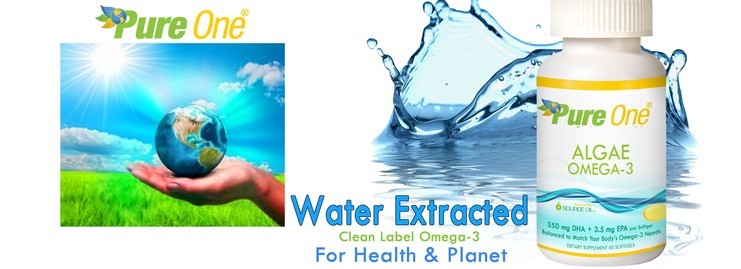
- Pure One™ is made with an Infant Formula Grade algae oil and algae-based VegCapsule containing the plant-based DHA and EPA.
- A vegetarian omega 3 DHA and EPA source is empowering and Pure One™ is 'Made in the USA', plus it's a clinical-grade (cGMP) product so you can trust its purity and potency, "Certified" by Dr. Scott Doughman, PhD.
- The vegetarian aware and vegan omega 3 consumer can choose an omega-3 source with health benefits that match medical fish oils, when taken at above 1 gram DHA daily.
- The vegan and vegetarian communities can continue with flax oil for ALA while taking Pure One™ for at least 300 mg/day DHA for important adult and child brain health support.
- Vegetarian dieters and vegans already have a lower risk of heart problems, however brain beneficial omega-3 DHA fatty acids are needed to combat modern deficiencies.
- Affect, mental health and nervous system health are all positively supported by DHA sufficiency, according to research studies. It takes an average of 3-months to achieve omega-3 essentiality, a term used in the literature to reflect steady-state 7% to 8% Red Blood Cell Omega-3 levels, the omega-3 marker for establishing clinical sufficiency.
About Omega 3 Food Sources, 100% Vegetarian Omega-3
- Golden microalgae oil is the richest marine omega-3 source and the source of fish omega-3s in the food chain. Get the source.
- Flax oil and milled flax seeds are a rich vegetarian omega 3 source, but flax doesn't have DHA or EPA. Neither does hemp seed omega-3 oil, or linseed oil or olive oil.
- For example, seed plant sources such as flax oil has a precursor omega-3 called alpha-linolenic acid (ALA), which eventually allows the body to produce some eicosapentaenoic acid (EPA) and docosahexaenoic acid (DHA).
- Omega 3 benefits are generally associated with fish and fish oil, but these are not the only food sources rich in marine fatty acids.
Vegetarians and Vegans very often have high triglycerides due to weight gain, high carbohydrate diet and low fitness level.
The vegetarian diet largely depends upon ALA to be synthesized into EPA and DHA in the body, according to how omega-3s are metabolized, handled by the inherent systems in the body. Important findings now show that ALA conversion into EPA and DHA is rate limiting. The first metabolic step in EPA synthesis by the enzyme delta-6 desaturase is kinetically slow, so most ALA undergoes oxidative metabolism for energy and is not converted to EPA. That is, omega-3 oil supplementation from plant sources may produce only 7% of the EPA levels otherwise gained through fish oil supplementation. DHA accumulation from ALA only occurs at trace levels due to the additional steps required to convert EPA into DHA. In contrast, dietary DHA supplementation will result in steady state DHA concentrations and modest increases in EPA concentrations through DHA retro-conversion, producing EPA at 5-11% of accumulated DHA levels. With continuous supplementation, EPA/DHA levels plateau, suggesting the body first needs to incorporate omega-3s directly through the diet before limiting omega-3 fatty acid accumulations by oxidative metabolism.
OMEGA-3 MICROALGAE OIL AS A SAFE VEGETARIAN SOURCE OF EPA/DHA
Pure One™ is 100% vegetarian and a more effective plant-based Omega-3 product.
Pure One™ is derived from microalgae, one of the most DHA-rich forms of Omega-3 oil available. Other plant-based sources of Omega-3s (flax seed, canola oil or walnuts) don't contain either DHA or EPA. Instead, they contain ALA, an Omega-3 precursor that requires the body to go through a three step process to convert to DHA and EPA. That conversion process makes ALA much less effective and efficient in gaining the needed fatty acids. It makes the body work harder and ends up providing much less DHA or EPA. Omega-3 microalgae oil provides DHA and EPA directly.
Also, our product is made with purely vegetarian (carrageenan) capsules - the latest in natural encapsulation technology.
All our ingredients, not just the oil, are All-Natural, fully vegetarian, 100% Vegan.
Supplements
Oils and seeds are not the only omega 3 foods from non-animal sources. One of the best omega 3 sources for everyone is from golden microalgae oil supplements. Not all vegetarian products offer vegetarian capsules, so vegetarians need to watch labels.
Different omega-3 sources vary significantly in the actual omega 3 benefits your body receives. One of the highest valued vegetarian sources of omega 3 is microalgae oil, which your body can use directly for getting DHA and EPA in the right amounts. Microalgae oil gives you the maximum benefit of omega 3s bacause the natural and proper balance of DHA and EPA make it a far superior source, even if you are not a vegetarian or vegan. That means you don't need animal products any more for omega-3s.
While foods and oils like flax oil, walnuts and mustard seeds are sources of vegetarian omega 3, microalgae oil supplements offer a higher standard of benefits, allowing everyone to enjoy omega 3 benefits for healthier lifestyles, regardless of culinary affiliations.